
Karin Wolff
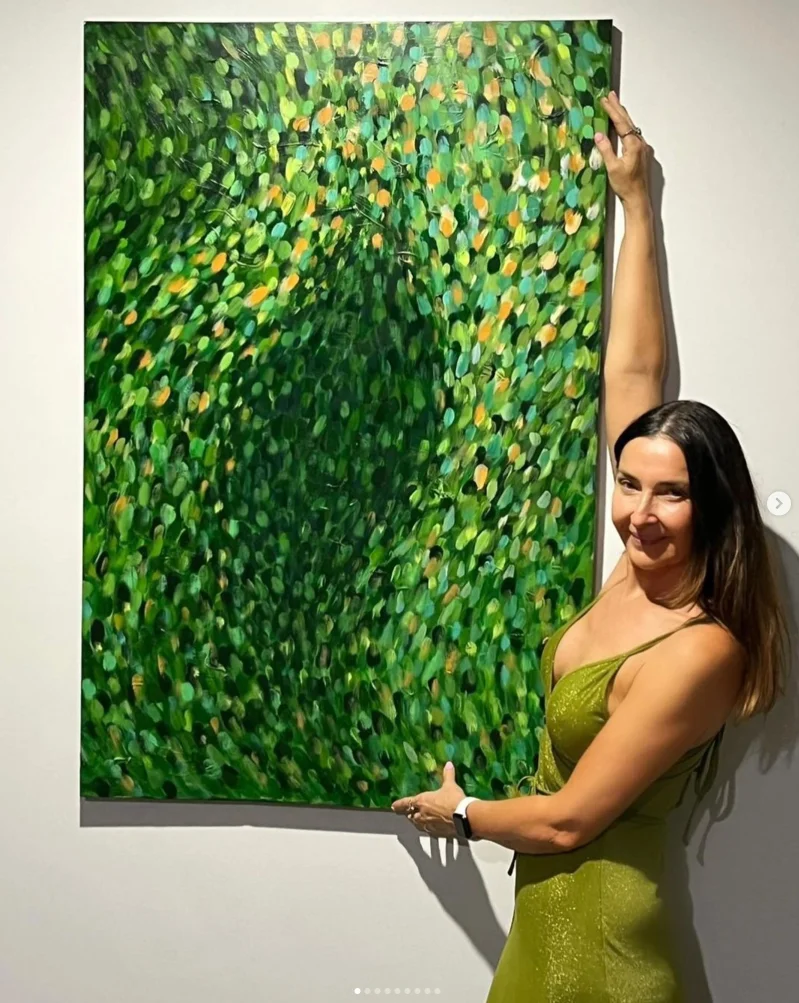
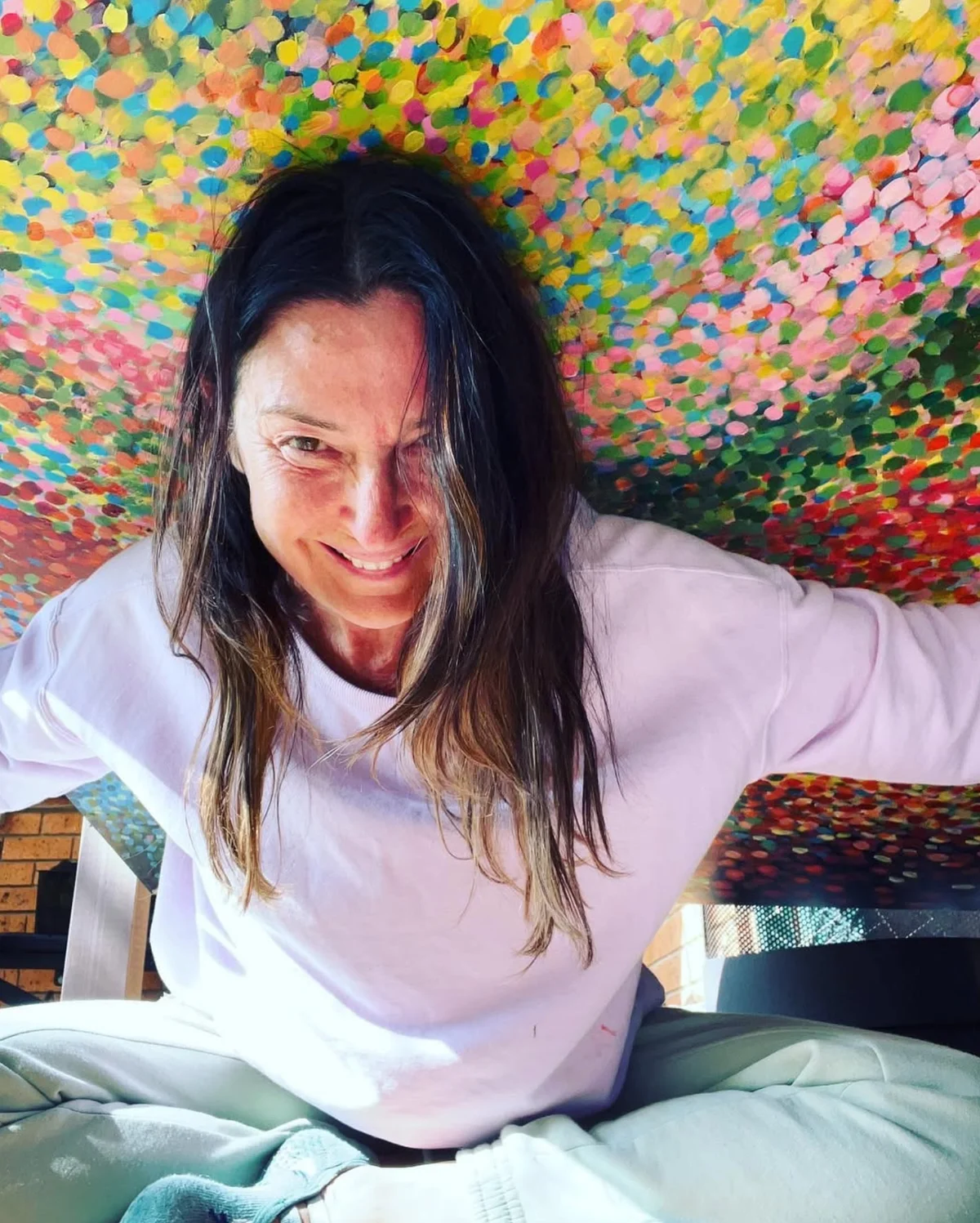
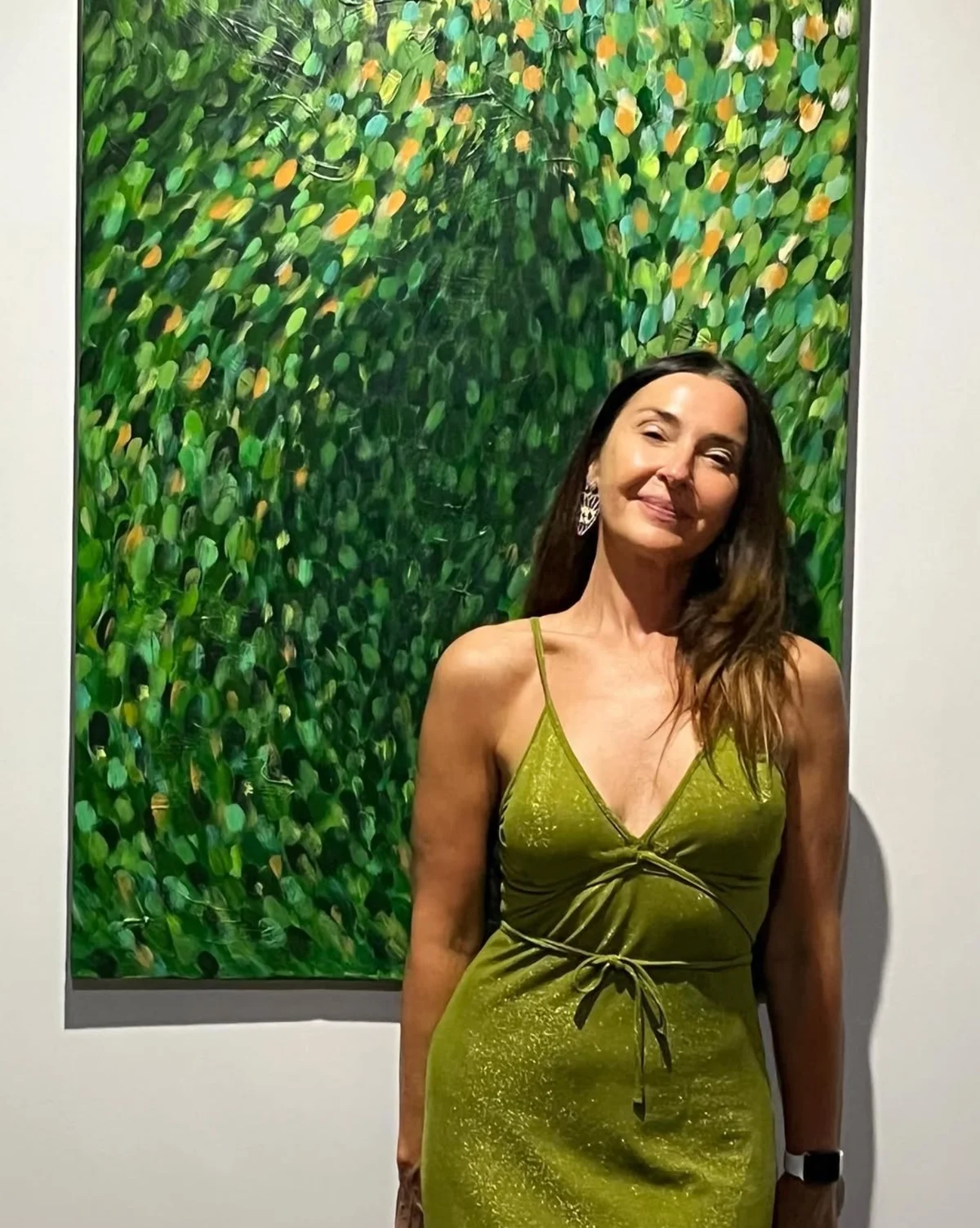
Karin Wolff is a contemporary artist based in Amsterdam whose work translates nature into rhythmic fields of color, light, and movement. Shaped by Brazilian roots, years in Australia, and a long contemplative practice across several continents, her paintings feel both immersive and meditative. Karin Wolff's artistic journey spans four continents and decades of creative exploration, with nature as her constant muse and art as her form of meditation. From her earliest childhood drawings in Brazil to her current studio practice in Amsterdam, art has remained a constant thread throughout her life's diverse chapters, always anchored in her deep observation and translation of the natural world. After studying at [UFGRS Visual Arts Institute](https://www.ufrgs.br/site/ensino/graduacao/artes-visuais/), where she explored drawing, painting, and ceramics, Karin embarked on a thirty-year immersion into philosophy and yoga that took her across South America, Europe, Southeast Asia, and Oceania. This contemplative period, while seemingly distant from her artistic practice, would later prove fundamental to her understanding of light, shadow, and the deeper rhythms that govern both nature and human perception — and to her approach to painting as a meditative practice. The pandemic years in Australia marked her return to professional art-making. Through courses at universities and art schools, she began researching Aboriginal Australian art, discovering profound connections between its ancient visual language and her own emerging vision. Surrounded by Australia's unique flora and drawing from influences ranging from European masters like Monet and Van Gogh to Indigenous traditions, her distinctive style crystallized. Now based in Amsterdam, Karin works with a more solidified artistic voice that bridges her Brazilian heritage, her global experiences, and her profound connection to the natural world. For her, each painting becomes a meditative dialogue with nature — drawing inspiration from natural forms, rhythms, and the ever-changing interplay of shadow and light, then translating these observations into her own visual language.
Karin Wolff is a contemporary artist based in Amsterdam whose work translates nature into rhythmic fields of color, light, and movement. Shaped by Brazilian roots, years in Australia, and a long contemplative practice across several continents, her paintings feel both immersive and meditative.
Karin Wolff's artistic journey spans four continents and decades of creative exploration, with nature as her constant muse and art as her form of meditation. From her earliest childhood drawings in Brazil to her current studio practice in Amsterdam, art has remained a constant thread throughout her life's diverse chapters, always anchored in her deep observation and translation of the natural world.
After studying at UFGRS Visual Arts Institute, where she explored drawing, painting, and ceramics, Karin embarked on a thirty-year immersion into philosophy and yoga that took her across South America, Europe, Southeast Asia, and Oceania. This contemplative period, while seemingly distant from her artistic practice, would later prove fundamental to her understanding of light, shadow, and the deeper rhythms that govern both nature and human perception — and to her approach to painting as a meditative practice.
The pandemic years in Australia marked her return to professional art-making. Through courses at universities and art schools, she began researching Aboriginal Australian art, discovering profound connections between its ancient visual language and her own emerging vision. Surrounded by Australia's unique flora and drawing from influences ranging from European masters like Monet and Van Gogh to Indigenous traditions, her distinctive style crystallized.
Now based in Amsterdam, Karin works with a more solidified artistic voice that bridges her Brazilian heritage, her global experiences, and her profound connection to the natural world. For her, each painting becomes a meditative dialogue with nature — drawing inspiration from natural forms, rhythms, and the ever-changing interplay of shadow and light, then translating these observations into her own visual language.